3 hr
Sorrento Farm Pizza-Making Class with Wine & Limoncello Tasting
Hand-make pizza on a Sorrento hillside farm, then feast on local wine, limoncello and homemade dishes.
Reserve
Hand-picked by our editors — only the best 5 experiences from 60 reviewed.
Verified partners for every tour, free cancellation where available, and instant confirmation on every booking.
3 hr
Hand-make pizza on a Sorrento hillside farm, then feast on local wine, limoncello and homemade dishes.
Reserve
4 hr
Cook authentic Italian dishes at a family farm near Sorrento, then feast with coastal views.
Reserve
4 hr
Half-day farm visit near Sorrento with grove walks, cellar visit, tastings and a homemade lunch.
ReservePrices from verified partners. Availability updates in real time at checkout. Free cancellation policies apply where shown.
The landmarks, rooms, and views travelers on this tour remember — all visible on a single visit.
A lush garden where guests pick fresh lemons and oranges for local recipes.
Used for baking authentic breads and pizzas during the class.
Features local varieties harvested directly for the sauce making lesson.
Contains basil, rosemary, and sage used in all prepared dishes.
An elevated space overlooking the countryside for enjoying your prepared meal.
Choosing between these experiences depends on your preference for rustic immersion versus urban convenience; most visitors who enjoy both find the sorrento cooking class farm tour provides a deeper connection to local agriculture.
| Feature | Top pick Farm Class | City-Center School |
|---|---|---|
Setting/Atmosphere |
Open-air groves and gardens | Professional kitchen studio |
Access to Fresh Ingredients |
Harvested on-site | Sourced from local markets |
Travel Time from Town |
15–30 minutes | Walking distance |
Authenticity of Environment |
High (rural working land) | Moderate (demonstration kitchen) |
Instruction Style |
Hands-on traditional methods | Technical culinary training |
| See tickets → |
Verdict: If you prioritize hands-on harvesting, the sorrento cooking class farm tours offer an unmatched connection to the land, while city schools provide easier logistics for those seeking sorrento cooking class farm tickets without long transit.
Choose your ticket, select your date, and reserve in under two minutes. Secure checkout handled by our verified partner.
Instant confirmation by email, with a mobile voucher you can save offline. No printing, no queuing at a collection desk.
Arrive at the entrance, show your voucher on your phone, and walk in. Most tickets include priority or skip-the-line access.
Practical details for your visit straight from our verified partners — hours, access, rules, and how to get there.
Via Casalvecchio, 7, Sorrento
Look for the main wooden gate.
Take the SITA bus toward the hills and request a stop near the Via Casalvecchio area.
Hire a local taxi directly to Via Casalvecchio, 7.
Casual and comfortable clothing is recommended for your sorrento cooking class farm tour. Closed-toe shoes are advised for safety while working in the kitchen.
Large luggage should be left at your accommodation before arriving at the sorrento cooking class farm. Only small handbags or personal items are permitted in the preparation area.
Photography is encouraged throughout the farm and during the cooking demonstration. Please respect the privacy of other guests during your sorrento cooking class farm visit.
The farm pathways and kitchen areas are largely accessible for visitors with limited mobility. Please notify the operator in advance regarding specific assistance needs for your sorrento cooking class farm experience.
Mobile phones may be used for photos and videos. We suggest putting devices on silent during active instruction.
Children are welcome to participate in this interactive experience. The sorrento cooking class farm provides child-sized utensils for younger guests to use during the lesson.
All necessary ingredients and tools are provided at the sorrento cooking class farm. Guests will consume the meal they prepare as part of the session.
No pets are allowed on the farm grounds due to food safety regulations.
The sorrento cooking class farm operates primarily outdoors under covered areas. Please check weather forecasts prior to your arrival.
Best time to go, insider tips, nearby landmarks, and the cancellation fine print — flip through to skim what matters to you.
How crowds, weather, and events shift across the year.
Mild temperatures make the harvest garden walk pleasant and comfortable. April and May see blooming flowers throughout the property.
Expect warm days and peak vegetable harvests during the sorrento cooking class farm experience. August is excellent for vine-ripened tomato picking.
Cooler temperatures arrive, providing a relaxed atmosphere for indoor-outdoor kitchen activities. September and October are ideal for citrus harvests.
While cooler, the farm remains open for traditional indoor cooking lessons. The atmosphere is quiet and intimate.
Small details that turn a good visit into a great one.
Plan your visit to arrive at 12:00 for the full experience.
Apply sunscreen as the garden walk occurs in open sunlight.
Verify the bus schedule in advance if arriving by public transit.
Non-bookable sights within a short walk — free to visit, easy to pair.
The central hub of Sorrento featuring historical cafes and local life.
A historic landmark showcasing unique baroque architectural elements.
A traditional fishing village setting near the water with picturesque views.
Public garden offering sweeping views of the Gulf of Naples.
Flexible, no hidden fees.
Full refunds are provided for cancellations made at least 24 hours in advance of the scheduled sorrento cooking class farm session. The 0 EUR entrance fee is included in your booking cost.
Hand-picked options within walking distance — pick a district for vibe, or a specific hotel for convenience.
Historic property located in the town center.
Central hotel offering convenient access to local transport.
Various boutique options available within walking distance of local landmarks.
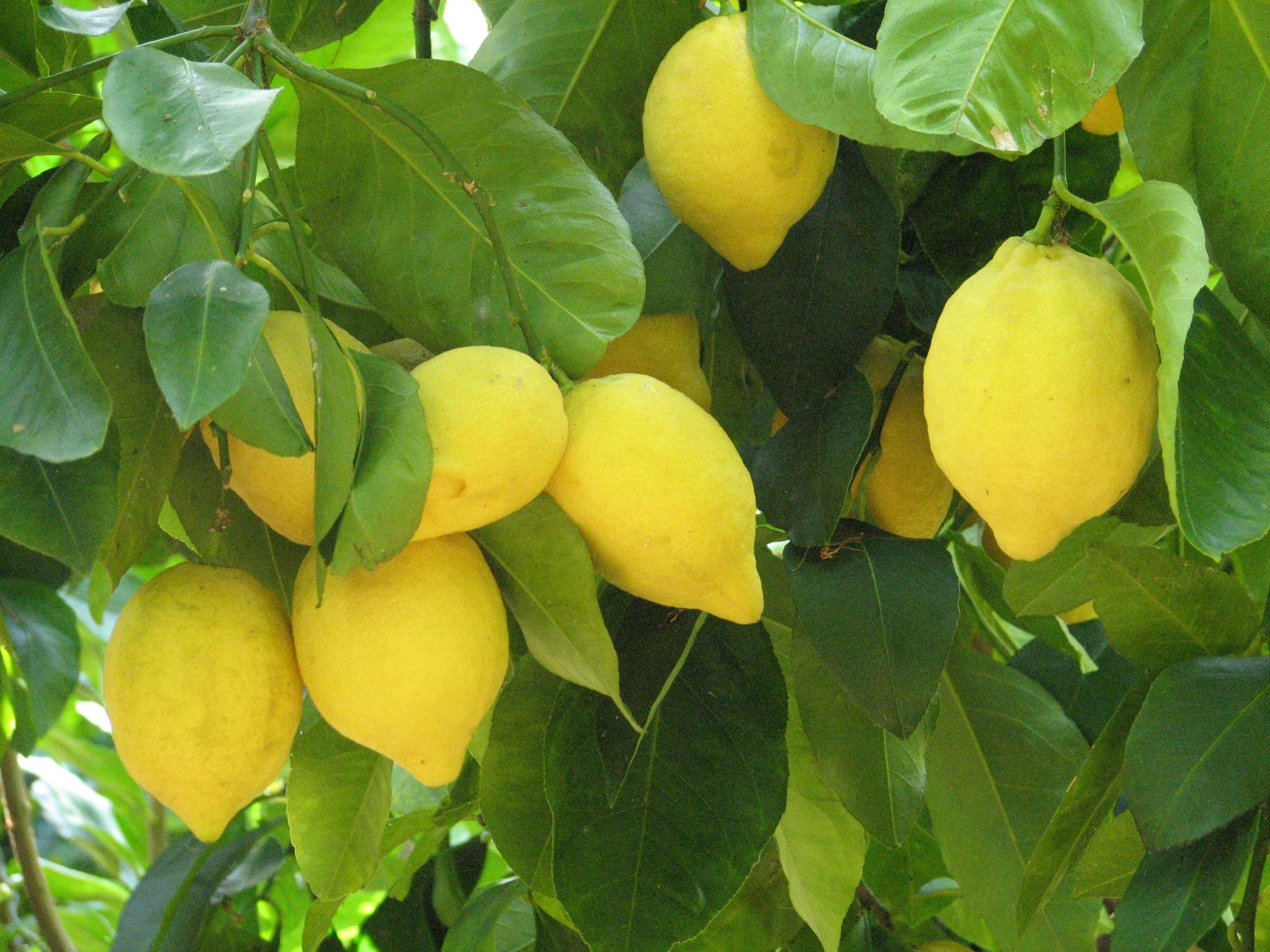
The lemons that flavour Sorrento's most famous liqueur are not ordinary lemons. They are ovale di Sorrento, protected by IGP status, grown under wooden pergolas called pagliarelle that have shaded the peninsula's terraces since at least the eighteenth century. The chestnut poles and straw mats were never decorative. They shelter fruit from wind blowing off the Bay of Naples and stretch the harvest across most of the year. Agriculture came first here. Long before the Grand Tour brought English and German travellers to the cliff hotels, the slopes behind town were divided into small walled plots worked by families who owned little else. Volcanic soil from Vesuvius, forty kilometres north, made the ground unusually generous. Olives, walnuts, figs, vines and citrus were planted in tiers, each terrace held by dry-stone walls built without mortar. Many of those walls still stand. The Via Casalvecchio district, where several working farms remain, preserves that vertical geometry almost intact. The sorrento cooking class farm tradition grew from necessity rather than tourism. Farmhouse kitchens on the peninsula were designed around a wood-fired oven, a marble work surface for pasta, and a cool stone room for ageing cheese. Fior di latte and provolone del Monaco were made daily from the milk of cattle grazing the Lattari mountains. Gnocchi alla sorrentina, still served across the region, is a farmhouse dish: three ingredients, one pan, no waste. Nothing in the peninsula's cooking assumes abundance. Why this matters now is a question of continuity. Tourism could have emptied these terraces; land above Sorrento is worth far more as building plots than as orchards. Instead, a number of families converted their holdings into agriturismi, a legal category created by Italian law in 1985 to let farms host visitors while remaining farms. The rule is that agriculture must stay the primary activity. That is the quiet reason Sorrento farm cooking tours feel unlike restaurant demonstrations — the olive press, the lemon rows and the cheese room exist because the property depends on them. Architecturally the farmhouses follow a Campanian pattern: thick tufa walls, vaulted ground-floor rooms once used as stables, external stone stairs, and pergolas extending the kitchen outdoors. Several sit high enough to look across to Capri and, on clear evenings, to the cone of Vesuvius. The estates at Via Casalvecchio, 7, Sorrento, Italy, occupy that middle band of hillside where the sea light is strong but the heat is broken by shade. The collections here are living ones — grafted citrus varieties, olive cultivars, sourdough cultures, family recipes recorded nowhere. Sorrento cooking class farm tickets are, in effect, entry to an archive that is replanted every season, and admission itself carries no separate charge at 0 EUR beyond the booked class.

"Nothing in the peninsula's cooking assumes abundance."
A step-by-step walkthrough of the visit — what you'll see, how long each stage takes, and the details that matter.
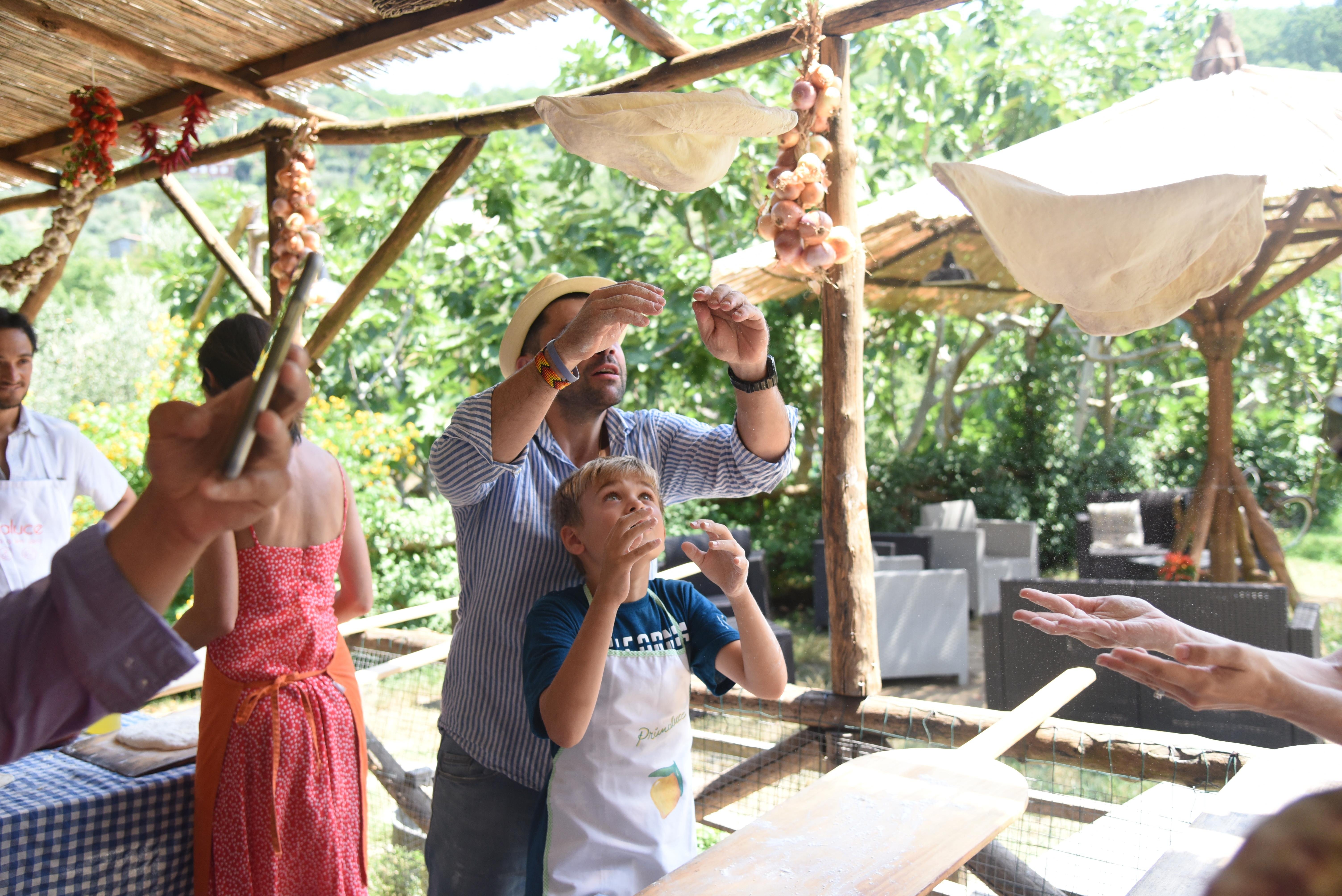
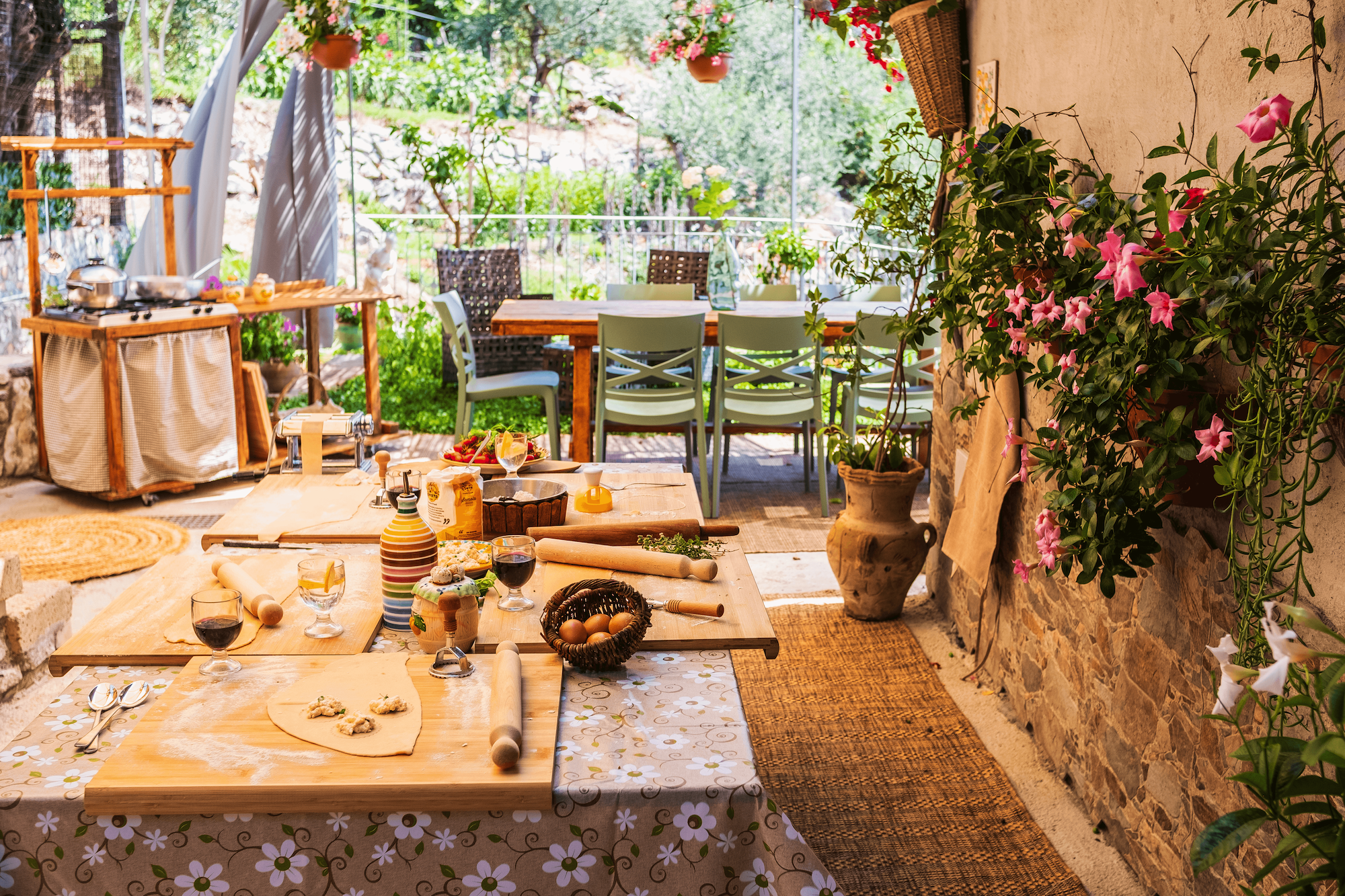
You leave the centre of Sorrento and climb, and within ten minutes the hotel façades give way to dry-stone walls and the smell of citrus leaves. At Via Casalvecchio, 7, a gate opens onto terraces. Someone hands you an apron. There is no separate entrance fee — admission is included in the booked cooking class — so you walk straight in. You start outside, under the pagliarelle. You pick lemons, still warm, and cut basil. If your session includes the farm walk, you follow the rows to the olive press and the cool room where mozzarella is stretched by hand that morning. Then you move to the marble table. You learn the ratio, you push the dough, you turn it. On the pizza classes you shape the base yourself and slide it into the wood oven, watching the rim blister in ninety seconds. On the pasta sessions you roll, cut and dust, then whisk mascarpone for tiramisu while the sauce reduces. You eat what you made, at a long table, with wine from the property and a small glass of limoncello to close. Cheese tasting comes first on some options. Views run out to Capri. Arrive at the start of your session — the best window is 12:00–17:00, which ensures you join the full instructional and harvesting programme rather than only the meal. Doors stay open until 20:00.
The farm is open daily from 12:00–20:00.
No, the 0 EUR entrance fee is included in the cost of your cooking class booking.
Tickets for the sorrento cooking class farm can be booked through our live inventory system.
Wear casual, comfortable clothing and closed-toe shoes suitable for kitchen environments.
Yes, families are welcome and children can join in the preparation activities.
All food and drink required for your meal are provided during your session.
We recommend booking at least two weeks in advance to ensure availability for your sorrento cooking class farm tour.
You can receive a full refund if you cancel at least 24 hours before your scheduled sorrento cooking class farm session.
Yes, you can take a local bus toward Via Casalvecchio, 7, which takes approximately 30 minutes.
Yes, you can explore attractions like Piazza Tasso or the Cathedral of Sorrento after your visit.